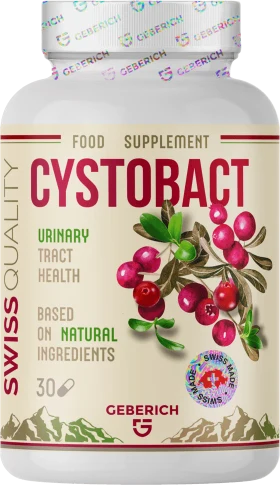
Cystobact
Daily capsules with D-mannose, cranberry 4:1, strawberry-tree leaf (5% arbutin) and citrus bioflavonoids.
£49View product
Three popular ways to include cranberry and D-mannose in your day. Same family of ingredients, very different daily experience.
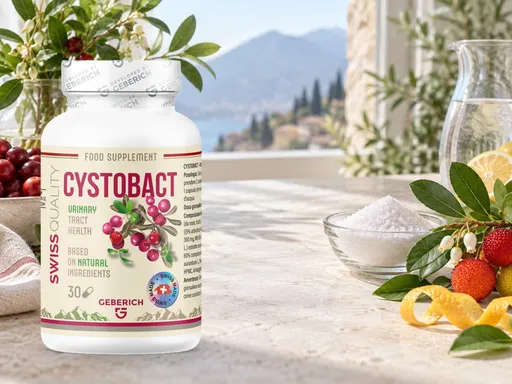
Stand in front of the supermarket chiller and you see cranberry juice. Browse a health shop and you find tubs of D-mannose powder. Check a pharmacy site and there are capsules. Which one would you pick for a daily habit?
There is no single right answer. The best format is the one that suits your taste, your calendar and your budget. Here is a plain comparison, so you can decide for yourself.
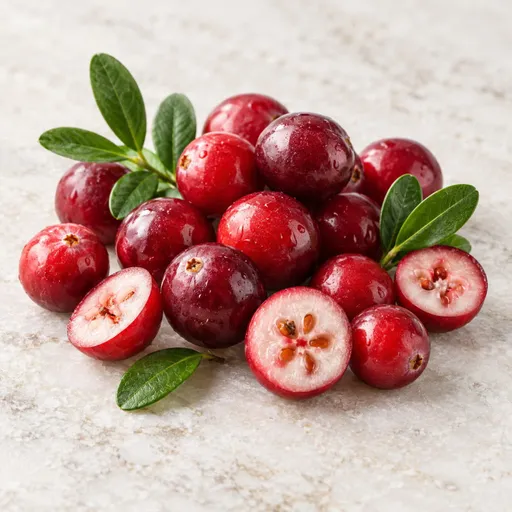
| Juice | D-mannose powder | Capsules | |
|---|---|---|---|
| Sugar | Check the label; many drinks contain added sugar | None to add, though the powder itself is a simple sugar | None to dissolve or sip |
| Dose | Varies by brand and glass | Measured with a scoop each time | Fixed per capsule |
| Convenience | Bulky, needs the fridge once opened | Needs a glass, spoon and stirring | Pocket-sized, no preparation |
| Taste | Sharp or sweet | Mild and sweet | Neutral |
| Travel | Heavy in luggage | Tubs and scoops | One small bottle |
| Routine | Easy to skip | Easy to forget the scoop | Tied to meals |
For many women the deciding factor is simply how much effort the habit takes. Anything that needs a recipe is easier to skip on a busy morning.
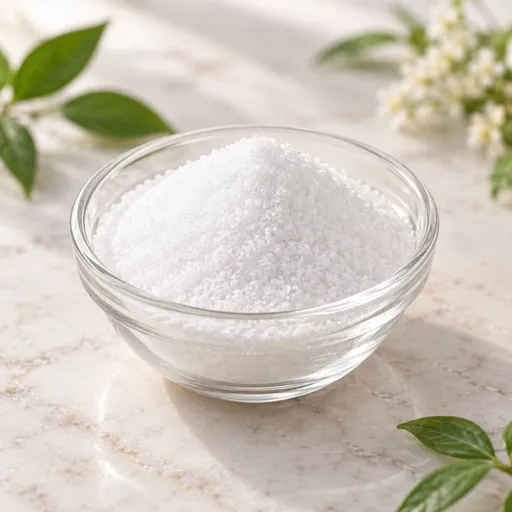
D-mannose occurs naturally in small amounts in some fruit. Researchers study it because the fimbriae of E. coli bind to it, which is the idea behind its use for the urinary tract.
It tastes slightly sweet and is generally well tolerated. In large amounts it can loosen the stools, so follow the dose on your product. If you have diabetes, ask your doctor first. Our D-mannose and cranberry guide has more.
Work this out yourself with a simple formula: price of the pack divided by the number of days it lasts at the recommended dose. For juice, count the glasses; for powder, count the scoops; for capsules, count the bottle’s days at the full dose.
Cystobact, for example, is £49 per bottle (the seller’s price, which may change) with 30 capsules, ten days at the full dose of three capsules. Check the price page for the current figure.
Whichever format you pick, a few questions apply every time. Is each active ingredient named? Is the amount of extract or the extract ratio stated? Is the daily dose clear? Is it described as a food supplement? Does the seller avoid medical promises?
A product that answers all five is easier to trust and easier to use. Cystobact publishes its composition in full; the amount per capsule is printed on the bottle.
Because capsules solve the three problems of the other two formats: no sugar to count, no scoop to measure and no bottle to carry. Cystobact goes a step further by combining D-mannose, cranberry extract 4:1, strawberry-tree leaf extract 4:1 (5% arbutin) and 60% citrus bioflavonoids in one routine.
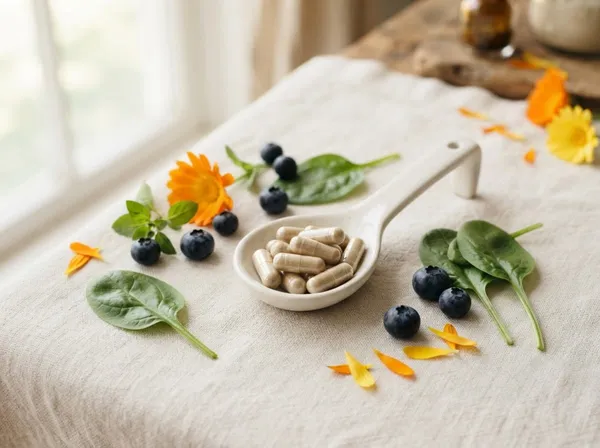
Daily capsules with D-mannose, cranberry 4:1, strawberry-tree leaf (5% arbutin) and citrus bioflavonoids.
Cystobact · 30 capsules
Ordered from the seller, paid on delivery.
Order and delivery: United Kingdom only. The seller ships to UK addresses.
Whichever route you choose, give it a fair trial of a few weeks, keep your water intake steady and note how convenient it feels. A routine that is easy to follow tomorrow is better than a perfect one you drop on Friday.
You can combine formats too. Many women enjoy a glass of unsweetened cranberry juice now and then and rely on a capsule routine for the day-to-day. Read about the full ingredient story on the ingredients page.
No format replaces medical advice. See a doctor if you have fever, blood in your urine, pain in your back or side, or burning that does not ease. If you are pregnant, breastfeeding or take regular medication, ask a pharmacist before starting any supplement.
Neither is better for everyone. Juice is a drink; capsules are compact and have no sugar to stir or sip. Choose what you will keep doing.
Many women do. Count the sugar if you drink sweetened juice, and follow the label for capsules.
It is generally well tolerated at the dose on the label. People with diabetes should speak to their doctor first.
See the sources below, including the health information from the National Center for Complementary and Integrative Health.
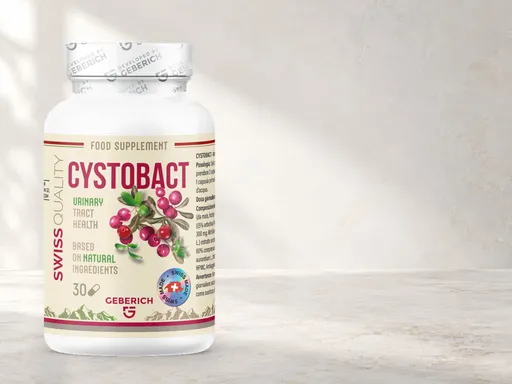
Seven criteria for choosing a urinary tract supplement in the UK, with Cystobact as our editor’s choice.

What really helps at home when your bladder is irritated, what to skip and when to call your GP.

Why bladder discomfort keeps coming back, and a long-term plan that mixes habits with a daily routine.
Cystobact combines D-mannose, cranberry, strawberry-tree leaf and citrus bioflavonoids in one daily capsule routine.
Order Cystobact£49Independent affiliate information site. We are not the manufacturer or the seller and may earn a commission on orders placed through our links. Your order is processed and shipped by the seller.