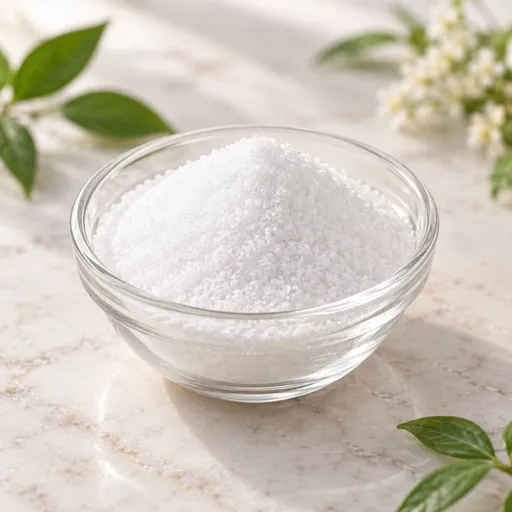
D-mannose
from cornA simple natural sugar that the body uses only in small amounts, so much of it reaches the urine. Researchers study D-mannose because the fimbriae of E. coli bind to it — the idea behind its use for the urinary tract.
Four active ingredients, each with a clear role. Here is what they are, where they come from and why formulators so often combine them for the urinary tract.
| Ingredient | Form in Cystobact |
|---|---|
| D-mannose | Obtained from corn |
| Cranberry fruit | Dry extract 4:1 (Vaccinium oxycoccos) |
| Strawberry-tree leaf | Dry extract 4:1 (Arbutus unedo), 5% arbutin |
| Citrus bioflavonoids | 60% complex from Citrus aurantium fruit |
| Capsule | HPMC; anti-caking agent magnesium stearate |
Amounts per capsule are printed on the bottle. Recommended use: two capsules before lunch and one before dinner.
A simple natural sugar that the body uses only in small amounts, so much of it reaches the urine. Researchers study D-mannose because the fimbriae of E. coli bind to it — the idea behind its use for the urinary tract.
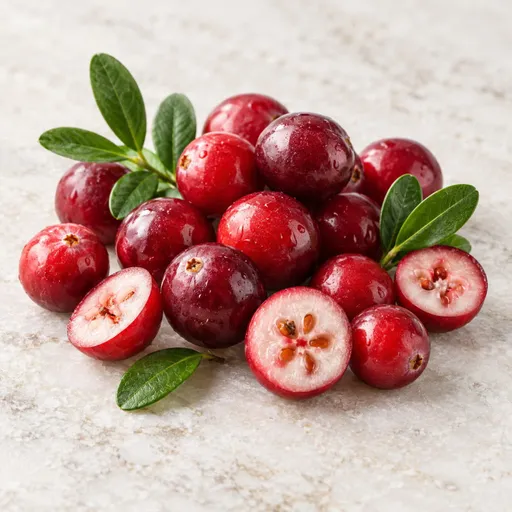
A concentrated dry extract of cranberry fruit — four parts of berries for one part of extract. Cranberries are rich in type-A proanthocyanidins (PACs), the polyphenols behind cranberry’s long tradition for the urinary tract.
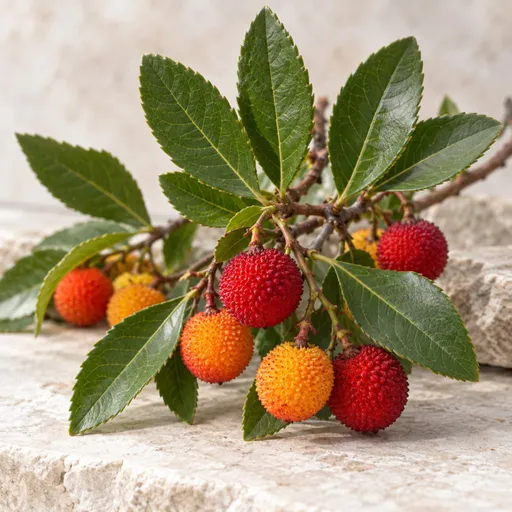
A Mediterranean shrub whose leaves naturally contain arbutin — the same compound that made bearberry (uva-ursi) a classic herb for the bladder. The extract is standardised to 5% arbutin.
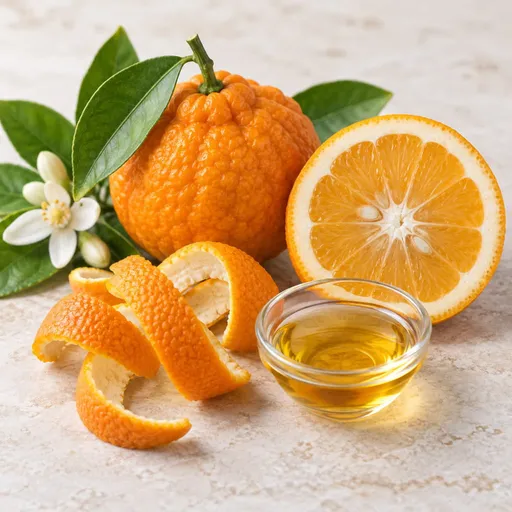
A plant-polyphenol complex from bitter orange fruit, valued for its antioxidant activity. It rounds off the formula with protection for the body’s own cells.
D-mannose is a close relative of glucose, but the body uses very little of it for energy. A large share passes through the kidneys into the urine. That is exactly where it is interesting: E. coli attaches to the bladder wall with tiny hair-like fimbriae that bind to mannose. Researchers study whether free D-mannose in the urine can occupy those binding sites.
The European Association of Urology mentions D-mannose among the non-antibiotic options women can discuss with their doctor (EAU guidelines).
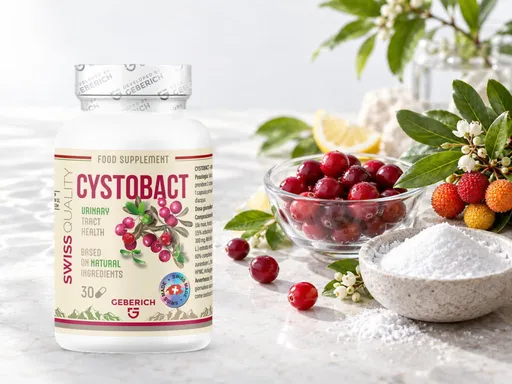
Cranberries contain type-A proanthocyanidins (PACs). A large Cochrane review published in 2023 found that cranberry products reduced the risk of repeat symptomatic urinary tract infections in women with recurrent infections (Cochrane via PubMed). A 4:1 dry extract delivers the fruit in concentrated form, without the sugar of juice.
Arbutus unedo grows wild around the Mediterranean. Its leaves, like those of bearberry (uva-ursi), naturally contain arbutin, a compound with a long tradition in herbal preparations for the bladder. Standardising the extract to 5% arbutin keeps every batch consistent.
Bitter orange (Citrus aurantium) provides a concentrated complex of flavonoids — plant polyphenols with antioxidant activity. In Cystobact they complete the formula alongside the berry polyphenols.
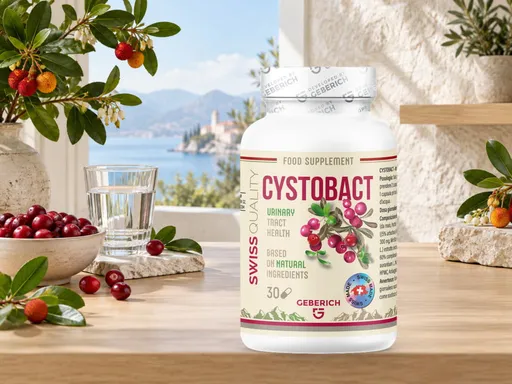
Each ingredient works on a different part of the same idea: D-mannose and cranberry PACs relate to how bacteria attach, arbutin carries the herbal tradition of bearberry, and bioflavonoids add antioxidant support.
Combining them in capsules means one simple routine instead of juices, powders and teas.
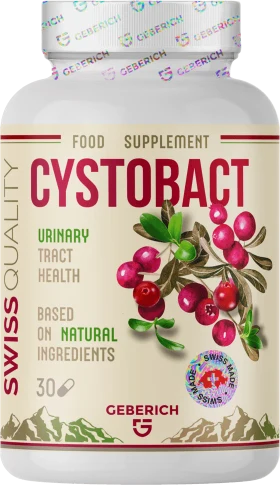
Cystobact · £49
All four ingredients in one bottle of 30 capsules.
Order and delivery: United Kingdom only. The seller ships to UK addresses.
D-mannose is a simple sugar, but the body hardly uses it for energy. The capsules do not contain added sugars like cranberry juice does.
The capsule shell is HPMC, a plant-based cellulose. Check the label for the full list.
From corn, according to the composition published by the seller.
Cystobact combines D-mannose, cranberry, strawberry-tree leaf and citrus bioflavonoids in one daily capsule routine.
Order Cystobact£49Independent affiliate information site. We are not the manufacturer or the seller and may earn a commission on orders placed through our links. Your order is processed and shipped by the seller.