
Cystitis symptoms: what they mean and when to see a doctor
Burning, urgency, cloudy urine — what each sign means, which symptoms need a doctor today and what you can do at home.
For many women, cystitis follows intimacy with frustrating regularity. The reason is mechanical, not a matter of hygiene — and a few simple habits help a lot.

During sex, movement can push bacteria from the skin and the area around the anus towards the urethra. Because the female urethra is short, they reach the bladder easily. It is so common after a new relationship or a holiday that it is nicknamed “honeymoon cystitis”.

Many women who know their pattern add a daily supplement routine with cranberry and D-mannose, especially during periods when intimacy is more frequent — holidays, a new relationship.
Cystobact fits this routine with three capsules a day and water.
Spermicides and diaphragms are associated with more urinary infections in some women, because they change the vaginal flora or press on the urethra. If you notice a link, ask your doctor about alternatives.
After menopause, lower oestrogen levels make the tissues thinner and drier, so intimacy can irritate more easily. Lubricants help, and doctors sometimes recommend local vaginal oestrogen — see our menopause guide.

Cystobact · £49
A daily capsule routine for women who know their pattern.
Order and delivery: United Kingdom only. The seller ships to UK addresses.
symptoms appear after every intercourse, you see blood, have fever or pain in your side, or you are unsure whether it is cystitis or a sexually transmitted infection.
As soon as is comfortable — ideally within half an hour.
Cystitis is not a sexually transmitted infection. The bacteria usually come from your own body; sex just moves them.
Usually not for ordinary cystitis. If an STI is possible, both partners should be tested.
Burning, urgency, cloudy urine — what each sign means, which symptoms need a doctor today and what you can do at home.

Twelve small habits — from water and toilet timing to underwear and intimacy — that make the bladder a less welcoming place for bacteria.
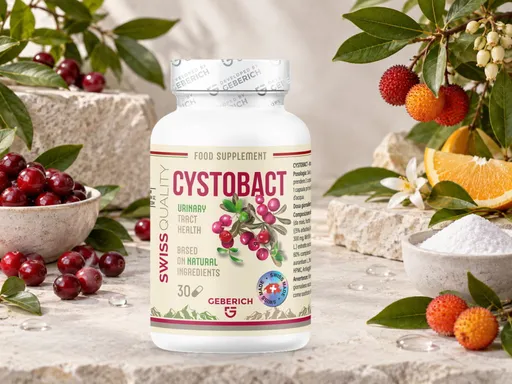
What D-mannose and cranberry PACs are, how they are studied for the urinary tract and why so many formulas combine them.

Why bladder infections become more frequent after menopause and what women 50+ can do — from habits to local oestrogen and supplements.

Cold snaps, wet swimsuits, long flights and hot holidays — how each one affects the bladder and the simple fixes for every season.
Cystobact combines D-mannose, cranberry, strawberry-tree leaf and citrus bioflavonoids in one daily capsule routine.
Order Cystobact£49Independent affiliate information site. We are not the manufacturer or the seller and may earn a commission on orders placed through our links. Your order is processed and shipped by the seller.