Cystitis symptoms: what they mean and when to see a doctor
Burning, urgency, cloudy urine — what each sign means, which symptoms need a doctor today and what you can do at home.
They are the two best-known natural ingredients for the urinary tract. Here is what each one does, what the research looks at and why formulators so often pair them.
Most bladder infections start with E. coli bacteria that move from the bowel to the urethra and up into the bladder. To stay there, they need to hold on to the bladder wall. They do it with fimbriae — tiny hair-like structures with sugar-binding tips. If bacteria cannot hold on, they are much more easily flushed out with urine.
D-mannose is a simple sugar found in small amounts in fruits such as cranberries, apples and peaches. Commercially it is usually obtained from corn or birch wood. Unlike glucose, the body uses very little of it — much of it is excreted in the urine.
The type-1 fimbriae of E. coli bind specifically to mannose. The theory is that free D-mannose in the urine occupies these binding sites, so bacteria attach to the sugar instead of the bladder wall. The European Association of Urology lists D-mannose among the non-antibiotic options women can discuss with their doctor.
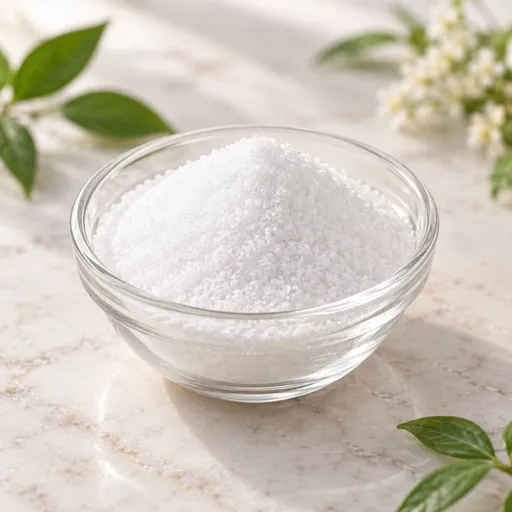
D-mannose tastes slightly sweet and is generally well tolerated. In large amounts it can loosen the stools.
Because the body barely uses it for energy, it does not affect blood sugar the way ordinary sugar does — but people with diabetes should still check with their doctor.
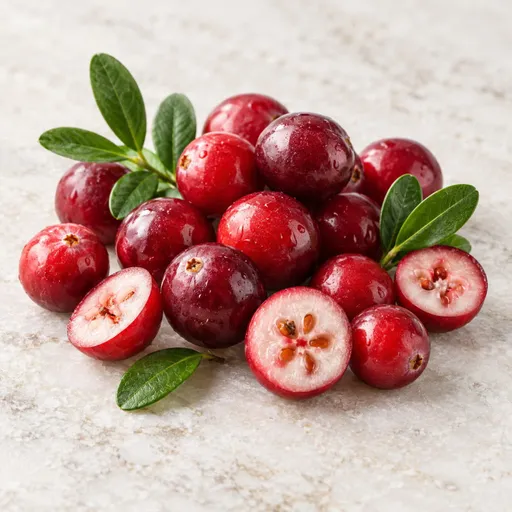
Cranberries contain proanthocyanidins of type A (PACs). Laboratory studies show they interfere with the P-fimbriae of E. coli — a different attachment mechanism from the one D-mannose relates to. A Cochrane review of 50 studies concluded in 2023 that cranberry products reduced the risk of repeat symptomatic UTIs in women with recurrent infections, in children and in people susceptible after medical interventions (PubMed).
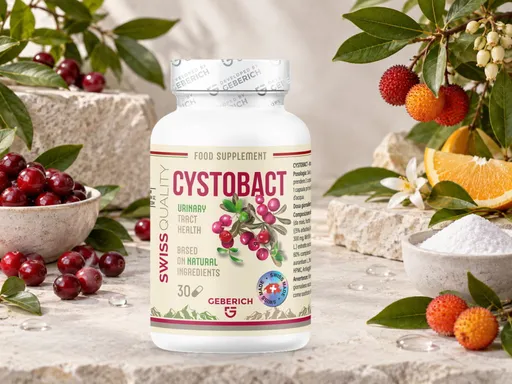
Because they relate to two different attachment routes, many formulators use D-mannose and cranberry together. Some add further plant extracts — in Cystobact, strawberry-tree leaf with arbutin and citrus bioflavonoids.
| D-mannose | Cranberry PACs | |
|---|---|---|
| What it is | Simple sugar | Berry polyphenols |
| Main link | Type-1 fimbriae of E. coli | P-fimbriae of E. coli |
| Typical form | Powder or capsules | Juice, extract, capsules |
| In Cystobact | Yes, from corn | Yes, dry extract 4:1 |
Juice is pleasant but often sweetened, and you would need a lot of it. Powders must be dissolved and measured. Capsules are the most convenient for a routine: no taste, no sugar, easy to carry.
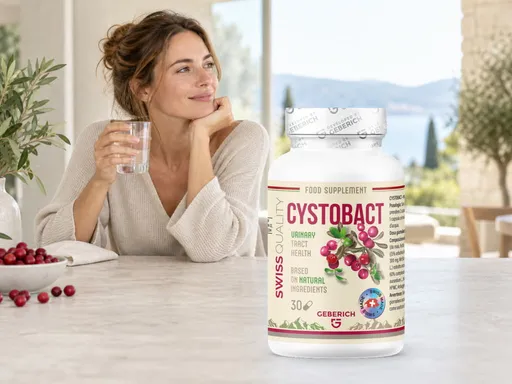
Each daily dose of three capsules combines D-mannose, a 4:1 cranberry extract, strawberry-tree leaf standardised to 5% arbutin and a 60% citrus bioflavonoid complex.
Two capsules before lunch and one before dinner, each with a glass of water.
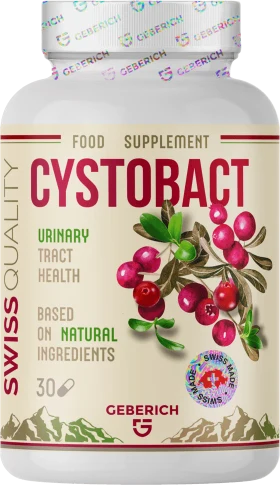
Cystobact · £49
D-mannose + cranberry in one bottle of 30 capsules.
Order and delivery: United Kingdom only. The seller ships to UK addresses.
Supplements support everyday comfort; they are not a treatment for an active infection. With fever, back pain, blood in the urine or in pregnancy, see a doctor.
Many women use it as part of a daily routine. Follow the product label and talk to your doctor about long-term use.
It hardly affects blood sugar, but ask your doctor before starting any supplement if you have diabetes.
Large amounts of cranberry may interact with blood thinners such as warfarin. Ask your doctor or pharmacist first.
Burning, urgency, cloudy urine — what each sign means, which symptoms need a doctor today and what you can do at home.

Twelve small habits — from water and toilet timing to underwear and intimacy — that make the bladder a less welcoming place for bacteria.

Why intimacy can trigger cystitis, the simple routine before and after sex that helps, and when to talk to your doctor.

Why bladder infections become more frequent after menopause and what women 50+ can do — from habits to local oestrogen and supplements.

Cold snaps, wet swimsuits, long flights and hot holidays — how each one affects the bladder and the simple fixes for every season.
Cystobact combines D-mannose, cranberry, strawberry-tree leaf and citrus bioflavonoids in one daily capsule routine.
Order Cystobact£49Independent affiliate information site. We are not the manufacturer or the seller and may earn a commission on orders placed through our links. Your order is processed and shipped by the seller.