
Cystobact
Daily capsules with D-mannose, cranberry 4:1, strawberry-tree leaf (5% arbutin) and citrus bioflavonoids.
£49View product
Once is annoying. Again and again is exhausting. Here is why it tends to return and a plan you can follow month after month without turning life upside down.

If you have ever thought “not again” halfway through a meeting, you are far from alone. Many women have the same experience: a few quiet months, then an unwelcome visit from the very first twinge.
The good news is that returning episodes often follow patterns, and patterns can be managed. This article gives you the big picture. For the first-aid side, see home remedies for cystitis.
The female urethra is short, around four centimetres, and sits close to the bowel. That makes it easy for bacteria, most often E. coli, to travel upwards. Several everyday things then tip the balance:

For two or three months, jot a line in your phone each time something happens: what you did the day before, how much you drank, whether you were travelling, stressed or newly active.
Patterns jump out quickly. Maybe it is always the week after a long-haul flight, or a heavy work period when lunch is skipped. Knowing yours makes the plan precise instead of vague.
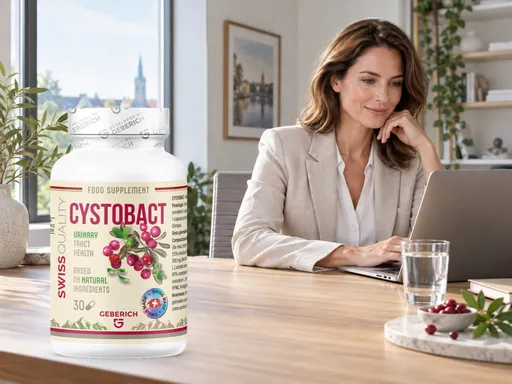
Many women say they notice discomfort in the weeks when life is at its busiest: exams, deadlines, a move, a family crisis. When the schedule is full, water gets forgotten and toilet breaks are postponed, which is exactly the combination that makes the bladder unhappy.
You cannot always change the weeks you are given, but you can protect the basics. Put a water bottle on your desk, add a reminder for a loo break at the top of each hour and keep a back-up plan for travel days. Small safeguards beat willpower.
A good appointment starts with good notes. Bring your diary and be ready to answer a few simple questions:
The best routine is the one you will actually do. Many women choose capsules because there is nothing to mix: two before lunch, one before dinner, each with a glass of water. That is what Cystobact is built around, with D-mannose, cranberry extract 4:1, strawberry-tree leaf (5% arbutin) and 60% citrus bioflavonoids.
One bottle has 30 capsules, so a full-dose block lasts ten days. Some readers keep a second bottle at home so the routine continues without a gap. Details are on our how-to-take page.
Daily capsules with D-mannose, cranberry 4:1, strawberry-tree leaf (5% arbutin) and citrus bioflavonoids.
Cystobact · 30 capsules
Ordered from the seller, paid on delivery.
Order and delivery: United Kingdom only. The seller ships to UK addresses.
Sometimes it helps to write a tiny “plan B” for tricky days: a simple routine for travel, a note on your phone with your GP surgery’s number and a bottle of water in your bag. Having a plan B turns a surprise into a manageable moment.

Recurrent discomfort can make you anxious about travel, intimacy and long days. That worry is real, and it does not mean you are doing anything wrong.
Choose two or three habits to master first. Add more later. A calm, consistent plan beats a perfect one you abandon in a week.
you have fever, shivering, blood in the urine, back or side pain, vomiting, or symptoms during pregnancy; if you are over 65 and feel confused or very unwell; or if episodes keep returning despite good habits. Supplements are not a replacement for medical care.
Doctors usually talk about recurrent episodes when they keep returning over a year. If this describes you, book a review with your GP rather than managing alone.
Many women find that a few steady habits become automatic. You can review your routine with your GP every few months.
Follow the label and ask your pharmacist or GP, especially if you take regular medication or have a health condition.
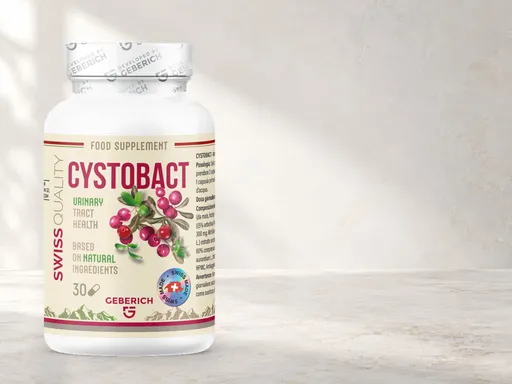
Seven criteria for choosing a urinary tract supplement in the UK, with Cystobact as our editor’s choice.

What really helps at home when your bladder is irritated, what to skip and when to call your GP.

What to drink and eat for a calmer bladder: irritants, friendly foods and a one-day menu.
Cystobact combines D-mannose, cranberry, strawberry-tree leaf and citrus bioflavonoids in one daily capsule routine.
Order Cystobact£49Independent affiliate information site. We are not the manufacturer or the seller and may earn a commission on orders placed through our links. Your order is processed and shipped by the seller.