
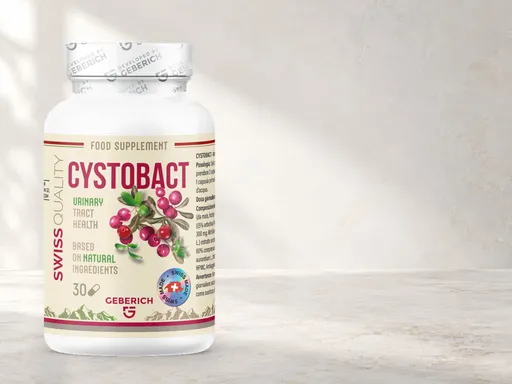
Cystobact
Daily capsules with D-mannose, cranberry 4:1, strawberry-tree leaf (5% arbutin) and citrus bioflavonoids.
£49View product
Your body hosts trillions of friendly microbes. A few of them live exactly where it matters for urinary comfort. Here is a clear, jargon-free look.

Probiotic yoghurts, gummies, capsules, sachets: the word is everywhere. But what do probiotics have to do with a bladder, and should you care? The short answer: the neighbourhood matters.
This article explains the basics in plain English. It does not diagnose anything, and it does not promise results. It simply connects the dots between flora and urinary habits.
In a healthy vagina, lactobacilli are the dominant bacteria. They produce lactic acid, which keeps the area slightly acidic. That acidity makes it a less comfortable home for unwanted microbes.
The urethra sits right next to that environment, so what happens in the flora can influence what travels towards the bladder. That is why gentle hygiene and a stable balance are part of any urinary routine.

Scented washes and douching, a course of antibiotics, hormonal changes, stress, sweaty clothing and lack of sleep can all nudge the balance.
It is not about blame. Bodies are sensitive, and balance can move in both directions. The aim is to keep daily life kind to it.
Probiotics are live microorganisms that, in adequate amounts, can benefit the host. Some products contain strains of lactobacilli, and many women take them with the intimate flora in mind. The field is active, and products differ widely by strain and dose, so read labels carefully.
Choose a product that names the exact strain, states the number of live cultures until the end of shelf life and shows clear storage instructions. If you have a weakened immune system or a serious illness, ask your doctor first.

Antibiotics act on bacteria in general, so friendly ones can be affected too. If your doctor prescribes a course, take it exactly as instructed, and ask about eating live yoghurt or other fermented foods alongside it.
Menopause lowers oestrogen, which can thin and dry the tissue and change the acidity of the area. That is one reason many women notice more urinary trouble in their fifties. Read our guide on cystitis after menopause for the full story, and talk to your GP about options.
Sex moves bacteria around. Passing urine soon afterwards and drinking a glass of water are small steps that make a difference; see cystitis after sex.
We cover more ideas, including a full day of meals, in the bladder-friendly diet. Variety matters more than any single food, so rotate what you eat through the week and enjoy it.
You do not need a complicated plan. Think of it as small things repeated. Have live natural yoghurt with breakfast three or four days a week. Add a portion of vegetables to every meal. Drink water through the day. Choose cotton underwear and unperfumed wash.
Sleep and stress also play their part in how we feel overall, so a regular bedtime and a few minutes of calm breathing or a walk are worthwhile extras. None of this is glamorous, and all of it adds up.
Think of flora and the urinary tract as two parts of one picture. Flora care keeps the surroundings gentle; a targeted routine concentrates on the bladder itself. A product like Cystobact is a plant-extract and D-mannose capsule: it does not contain probiotics, and many women use it alongside fermented food.
Cystobact combines D-mannose, cranberry extract 4:1, strawberry-tree leaf extract 4:1 (5% arbutin) and 60% citrus bioflavonoids. Read all four on our ingredients page.
Daily capsules with D-mannose, cranberry 4:1, strawberry-tree leaf (5% arbutin) and citrus bioflavonoids.
Cystobact · 30 capsules
A calm daily routine, paid on delivery.
Order and delivery: United Kingdom only. The seller ships to UK addresses.

Wipe front to back, pass urine soon after sex, wash with water or a mild unperfumed product, and let your skin breathe at night. Our guide to 12 everyday habits lists the rest.
Add intimate hygiene advice for the dos and don’ts of products.
Unusual discharge, itching, an unpleasant smell, burning that does not ease, fever, blood in the urine or pain in the back or side all deserve a proper check. Symptoms such as thrush or bacterial vaginosis need a different approach from cystitis.
They have different roles. Probiotics focus on live cultures, while urinary supplements such as Cystobact combine plant extracts and D-mannose.
Many women do. Follow the label of each product and ask a pharmacist if you take regular medication.
Choose live natural yoghurt without added sugar and have it with berries.
Seven criteria for choosing a urinary tract supplement in the UK, with Cystobact as our editor’s choice.

What really helps at home when your bladder is irritated, what to skip and when to call your GP.

Why bladder discomfort keeps coming back, and a long-term plan that mixes habits with a daily routine.
Cystobact combines D-mannose, cranberry, strawberry-tree leaf and citrus bioflavonoids in one daily capsule routine.
Order Cystobact£49Independent affiliate information site. We are not the manufacturer or the seller and may earn a commission on orders placed through our links. Your order is processed and shipped by the seller.