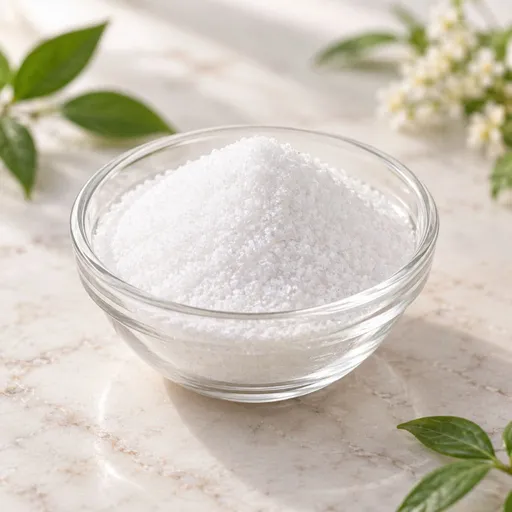
D-mannose: what it is and how to read it on a label
A simple sugar that mostly passes into the urine. What it is, what studies have looked at and how to read the milligrams on a label.
Cranberry (Vaccinium macrocarpon) is the most widely studied berry for urinary health. Researchers focus on its type-A proanthocyanidins, or PACs. A 2023 Cochrane review found that cranberry products lowered the risk of symptomatic infections in women with recurrent episodes. Here is what that means and how to read cranberry on a label.
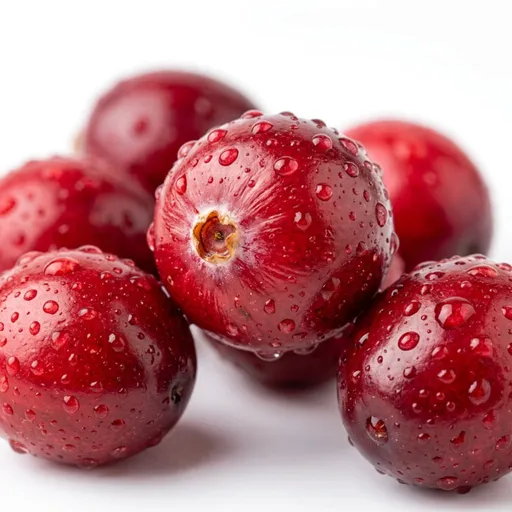
The cranberry used in supplements is usually the large-fruited cranberry, Vaccinium macrocarpon, which grows in North American bogs. It belongs to the same genus as bilberry and blueberry, but those are different berries with different compounds. Look for the Latin name and the word “fruit” on the label.
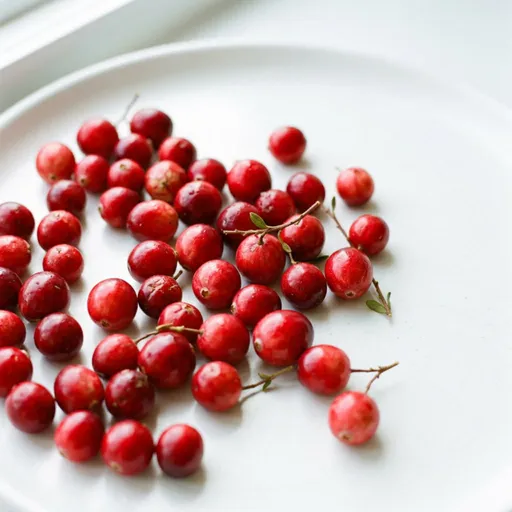
Cranberry reaches the shelf in several forms. Juice is pleasant but often sweetened. Dried berries are usually sweetened. Extracts concentrate the berry into a powder, which is what ends up in most capsules and tablets.
The compounds of interest are the PACs. In laboratory work they interfere with the way P-fimbriated E. coli attach to the cells lining the urinary tract.
The Cochrane review pooled 50 studies with 8,857 participants. In evidence of moderate certainty, cranberry products reduced the risk of symptomatic, culture-confirmed UTIs in several groups:
For older people in care homes, pregnant women and people who cannot empty the bladder fully, the review saw little or no benefit, with low certainty. Stomach and gut side effects were broadly similar to placebo. The reviewers also found no clear difference between juice and tablets, or between low, medium and high PAC doses (low certainty). Our research review puts this next to the D-mannose studies.
A risk ratio of 0.74 means that, in those trials, the relative risk of a further infection was about a quarter lower with cranberry. The lower end of the interval sits close to 1, so the finding is a modest one, and worth reading with its context rather than as a promise for any one person.
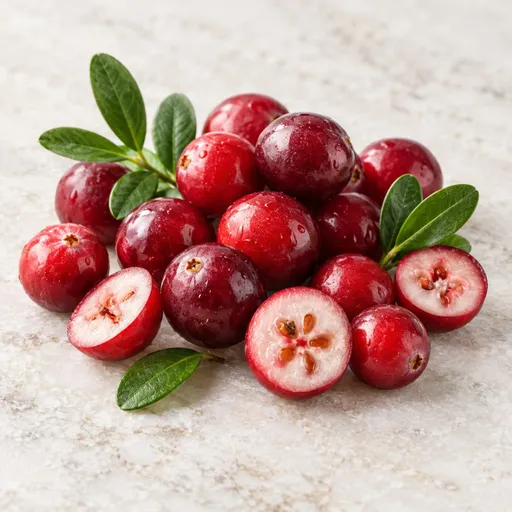
Cranberry labels use several numbers that look alike but mean different things.
| On the label | What it means |
|---|---|
| Extract 4:1 | About four parts of berries were used for one part of extract. It is a raw-material ratio, not the PAC content. |
| Standardised to X% PAC | The percentage applies to the extract, not to the whole capsule weight. |
| 36 mg PAC a day | A figure common in research and on packs. It is only comparable between brands when the measuring method (often DMAC) is stated. |
| mg of extract per serving | Multiply by servings per day to get your daily amount. |
| Sugar or sweeteners | Matters for juices and some chewables. |
The full method, with a worked example, is in our guide to reading a supplement label.
Capsules and tablets are taken with a glass of water, often with a meal, at the times given on the pack. Juice is simply drunk, though a daily glass can add a fair amount of sugar. Whichever form you choose, the useful habit is the same: follow the label, keep the dose steady and drink plenty of fluid through the day.
You take warfarin or another blood thinner, you are prone to oxalate kidney stones, or you are pregnant or breastfeeding. See a doctor for fever, back or side pain, blood in the urine, or symptoms that persist.
| Product | How the composition lists it |
|---|---|
| Cystobact | Cranberry extract 4:1, one of four active ingredients; 30 capsules per bottle. |
Cranberry is usually paired with D-mannose, because the two are studied for different attachment routes. See our D-mannose guide and the ingredients page, or the classic guide on how they work together.
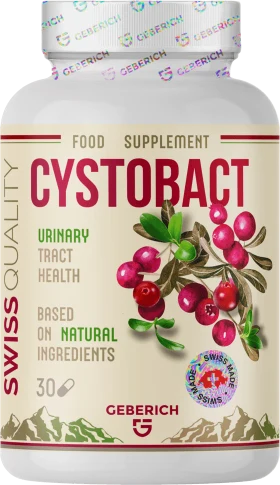
Cystobact · £49
Cranberry extract 4:1 with D-mannose, strawberry-tree leaf and citrus bioflavonoids.
Order and delivery: United Kingdom only. The seller ships to UK addresses.
The Cochrane review saw no clear difference between juice and tablets. Capsules avoid the sugar and are simpler to count.
Not usually. Colour changes or blood in the urine should be checked by a doctor.
Speak to your midwife, GP or pharmacist before taking any supplement during pregnancy or breastfeeding.
A simple sugar that mostly passes into the urine. What it is, what studies have looked at and how to read the milligrams on a label.
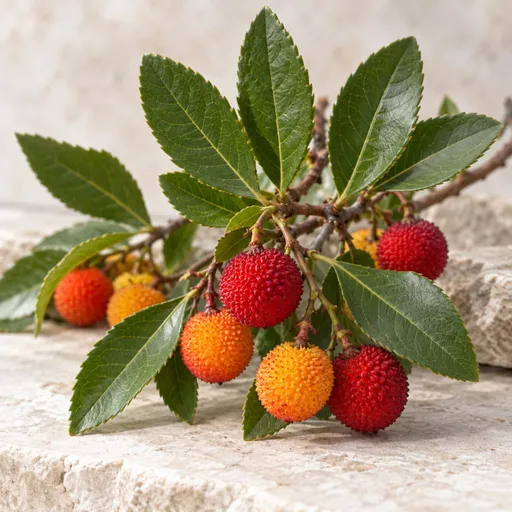
Strawberry tree or bearberry? Where arbutin comes from, what regulators say about the leaf and how to read it on a label.
Cystobact combines D-mannose, cranberry, strawberry-tree leaf and citrus bioflavonoids in easy daily capsules.
Order Cystobact£49Independent affiliate information site. We are not the manufacturer or the seller and may earn a commission on orders placed through our links. Your order is processed and shipped by the seller.