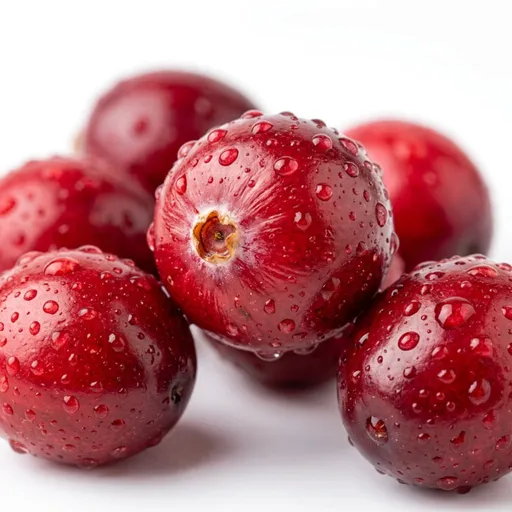
Cranberry for the urinary tract: PACs, studies and labels
Proanthocyanidins, the 2023 Cochrane review and what “extract 4:1” or “36 mg PAC” means on a label.
D-mannose is a simple sugar that the body absorbs but barely uses for energy, so most of it passes into the urine. Researchers study it because E. coli can bind to mannose, which is why it appears in many urinary-health formulas. Studies so far give mixed results, so this guide focuses on what it is and how to read it.
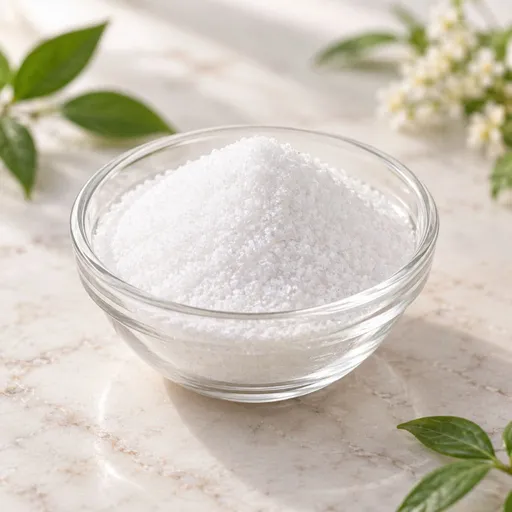
D-mannose is a monosaccharide, a close chemical relative of glucose. It occurs naturally in small amounts in cranberries, apples, peaches and oranges. The D-mannose used in supplements is usually made from corn or birch wood.

After you swallow it, D-mannose is absorbed in the small intestine. Unlike glucose, very little of it is burned as fuel. Most is filtered by the kidneys and leaves in the urine, largely unchanged.
That journey is why it interests researchers: a substance that reaches the urine in quantity is, at least in theory, present exactly where the bladder is.
The working idea is a decoy. Many E. coli strains hold on to the bladder lining with type 1 fimbriae, tiny hairs tipped with a protein called FimH that binds mannose. Free mannose in the urine could occupy those binding sites, giving bacteria something else to cling to. It is a hypothesis that scientists continue to test.
Three publications are cited most often:
Taken together, the results do not line up neatly, and research continues. Our research review sets the studies side by side without picking a winner. For the wider picture of how D-mannose and cranberry are used together, see the classic guide.
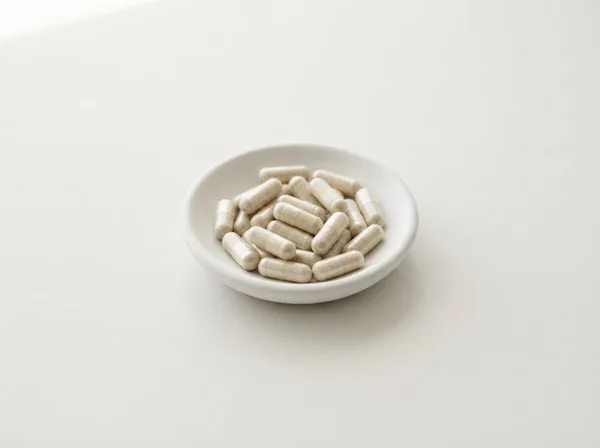
The studies above used roughly 1.5 to 2 g a day. Capsules usually hold a few hundred milligrams each, so the words “contains D-mannose” tell you very little. What matters is the amount per serving and how many servings you take.
| Check on the label | What it tells you |
|---|---|
| mg of D-mannose per serving | The real amount in one dose. A serving may be one capsule or several. |
| Servings per day | Multiply by the amount per serving to get your daily total. |
| Form | Powder dissolves in water. Capsules and tablets are easier to carry. |
| Other ingredients | Bulking agents, flavourings or sweeteners that sit alongside it. |
Example on an imaginary label: 500 mg per capsule, two capsules twice a day, makes 2,000 mg (2 g) a day. Our label-reading checklist walks through the same sum for every ingredient.
You have diabetes, kidney problems, or you are pregnant or breastfeeding. See a doctor promptly for fever, pain in the back or side, blood in the urine, or symptoms that last more than two or three days or keep returning. A supplement does not replace treatment.
| Product | How the composition lists it |
|---|---|
| Cystobact | D-mannose (from corn), alongside cranberry extract 4:1, strawberry-tree leaf extract (5% arbutin) and citrus bioflavonoids 60%. A bottle holds 30 capsules. |
Other products are reviewed in the country sections of this site. For how the full formula fits together, see the ingredients page and the guide to cranberry extract.
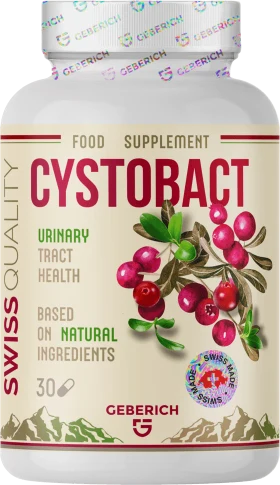
Cystobact · £49
D-mannose with cranberry, strawberry-tree leaf and citrus bioflavonoids in one bottle of 30 capsules.
Order and delivery: United Kingdom only. The seller ships to UK addresses.
It is a sugar, but the body barely uses it for energy and the effect on blood glucose is small. Even so, ask your doctor or pharmacist before starting.
Both contain the same ingredient. Powder suits people who prefer larger amounts in a glass of water; capsules are neater for travel and work.
Most people tolerate it well. Bloating and loose stools are the most mentioned effects, usually with larger amounts.
No. D-mannose is a simple sugar; cranberry contributes proanthocyanidins. The two are studied separately and often combined in one formula.
Proanthocyanidins, the 2023 Cochrane review and what “extract 4:1” or “36 mg PAC” means on a label.
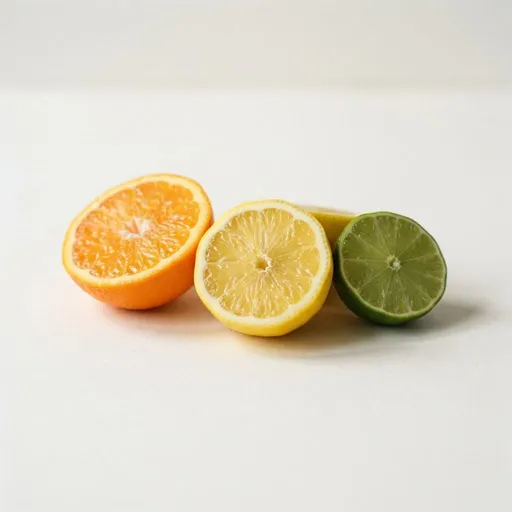
Hesperidin, naringin and friends: what citrus bioflavonoids are and how to read “60%” on a label.
Cystobact combines D-mannose, cranberry, strawberry-tree leaf and citrus bioflavonoids in easy daily capsules.
Order Cystobact£49Independent affiliate information site. We are not the manufacturer or the seller and may earn a commission on orders placed through our links. Your order is processed and shipped by the seller.