Grapefruit seed extract: what to know before you buy
Where grapefruit seed extract comes from, what the research stage is and why medicines are the main thing to check.
Citrus bioflavonoids are plant polyphenols from the peel and pulp of oranges, lemons and related fruit, such as hesperidin and naringin. They are studied mainly as antioxidants and for blood vessels. In urinary formulas they usually play a supporting role beside cranberry and D-mannose. Here is how to read them on a label.
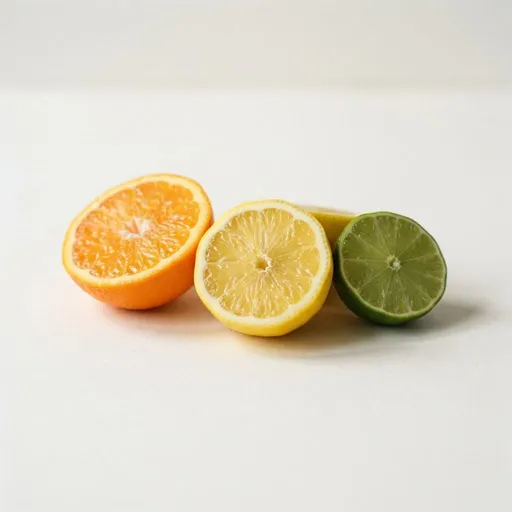
Flavonoids are a large family of plant pigments and defence compounds. The citrus group includes hesperidin, naringin, eriocitrin and narirutin. Diosmin, sometimes mentioned alongside them, is semi-synthetic and made from hesperidin.
In laboratory tests, citrus flavonoids show antioxidant activity: they can neutralise reactive molecules in a test tube. Whether and how that translates into everyday benefits is a separate question, which is why claims on this subject should stay modest.
They are concentrated in the peel and white pith rather than in the juice, which is why supplements use extracts. A complex means several flavonoids together, usually standardised so that you know what share of the extract they make up.
In a formula for the urinary tract, the complex is one piece of a larger picture: it does not replace the main ingredients, and it is not meant to.
Most published research looks at antioxidant activity and at blood vessels rather than the bladder. In urinary-health supplements, a citrus bioflavonoid complex is typically added as a companion ingredient that complements the polyphenol profile of the formula alongside cranberry and D-mannose.
Think of it as the supporting cast. The leading roles in this category belong to D-mannose and cranberry, and our classic guide explains how they relate.
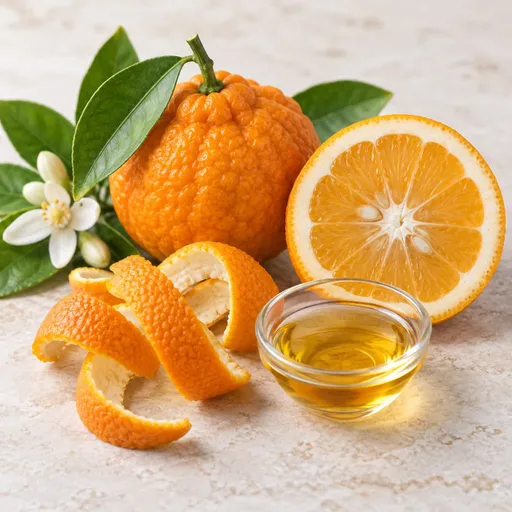
Bitter orange, the fruit named in many bioflavonoid complexes, is valued by extract makers for its flavonoid content rather than for eating. The peel and fruit are processed into a dry powder, which is then standardised so that every batch contains a similar share of flavonoids. That consistency is what lets a label state a clear percentage.
| On the label | What it tells you |
|---|---|
| Citrus bioflavonoid complex | A mixture of several flavonoids, not a single compound. |
| Standardised to 45, 60 or 90% | The share of flavonoids in the extract, often counted as hesperidin. |
| mg per serving | The amount of extract. Multiply by the standardisation to estimate flavonoids. |
| Source fruit | Bitter orange (Citrus aurantium), lemon or orange. |
| Isolated hesperidin or diosmin | A single purified compound, which is a different product from a complex. |
Imaginary example: 100 mg of extract standardised to 60% contains about 60 mg of flavonoids. The same sums for every ingredient are in the label checklist.
Yes. Eating whole citrus fruit, including some of the white pith, brings flavonoids together with fibre, vitamin C and water. Supplement extracts concentrate the flavonoids into a measured amount, which is convenient, but they are no substitute for a varied diet with plenty of fruit and vegetables.
Standardisation is what makes an extract measurable. When a label says “60%”, you know what share of the extract is flavonoids, and that lets you compare one product with another more fairly than the plant name alone.
You are allergic to citrus fruit, take regular medicines, or are pregnant or breastfeeding. See a doctor for fever, pain in the back or side, blood in the urine, or symptoms that persist.
| Product | How the composition lists it |
|---|---|
| Cystobact | Citrus bioflavonoid complex 60% from bitter orange (Citrus aurantium); one of four active ingredients in a 30-capsule bottle. |
See the formula as a whole on the ingredients page, including strawberry-tree leaf.
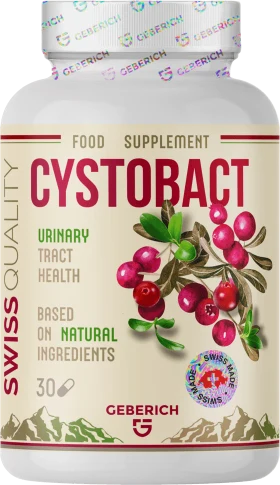
Cystobact · £49
A 60% citrus bioflavonoid complex, with D-mannose and cranberry, in daily capsules.
Order and delivery: United Kingdom only. The seller ships to UK addresses.
No. They are separate plant compounds that often occur in the same fruit.
In capsules, hardly at all; the shell and the dose are tiny compared with fruit.
It is the flavonoid share of the extract, not of the whole capsule. Check the mg of extract per serving too.
They are a supporting ingredient. The best-known ones in this category are D-mannose and cranberry, and a formula without a bioflavonoid complex is perfectly ordinary.
Where grapefruit seed extract comes from, what the research stage is and why medicines are the main thing to check.
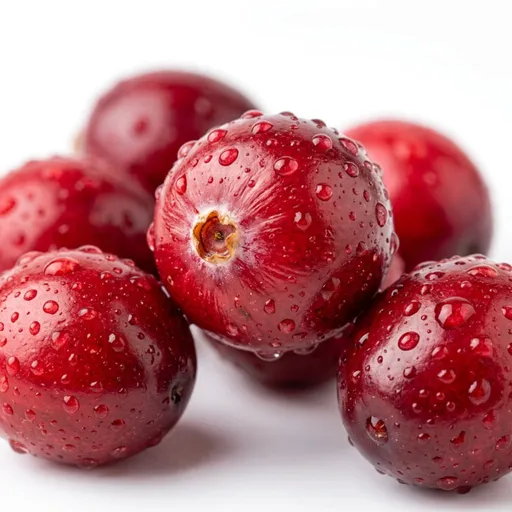
Proanthocyanidins, the 2023 Cochrane review and what “extract 4:1” or “36 mg PAC” means on a label.
Cystobact combines D-mannose, cranberry, strawberry-tree leaf and citrus bioflavonoids in easy daily capsules.
Order Cystobact£49Independent affiliate information site. We are not the manufacturer or the seller and may earn a commission on orders placed through our links. Your order is processed and shipped by the seller.