Citrus bioflavonoids: the supporting ingredient
Hesperidin, naringin and friends: what citrus bioflavonoids are and how to read “60%” on a label.
Grapefruit seed extract is made from the seeds and pulp of Citrus × paradisi. It contains flavonoids such as naringin and appears in some urinary formulas as a source of citrus flavonoids. Research on its role in the urinary tract is at an early stage. The key practical point is that grapefruit products can interact with some medicines.
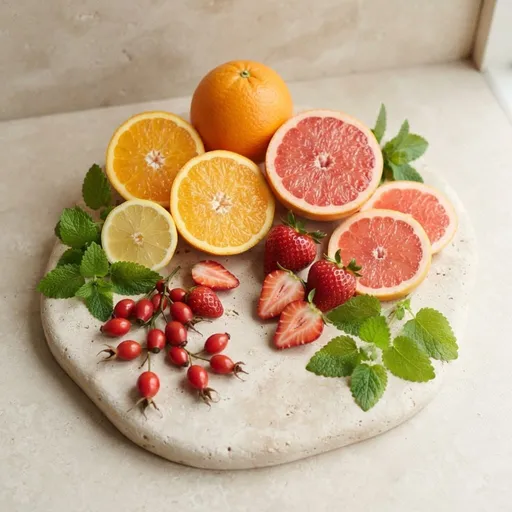
It is a concentrate made from the seeds and pulp of the grapefruit. Besides flavonoids such as naringin, it contains ascorbic acid. You will find it as a liquid, often mixed with glycerine, and as a dry powder in capsules and tablets.
The word “extract” covers a lot of ground. Two bottles can differ in the carrier, in the concentration and in how much of the plant was used.
That is why the label details matter more here than the name, and why a pharmacist is a good person to ask when you already take medicines.
Research on grapefruit seed extract and the urinary tract specifically is only at an early stage. In supplements it is used as a component of formulas, and as a source of citrus flavonoids alongside cranberry and D-mannose. It should not be read as a stand-alone urinary ingredient.
For the relatives of this ingredient, see the guide to citrus bioflavonoids. For the better-studied ingredients in this category, see the cranberry guide and our research review.
You will meet grapefruit seed extract in three places: as drops sold on their own, as an ingredient in multi-ingredient capsules and tablets, and in some formulas for the urinary tract, where it sits next to cranberry and D-mannose. In the last case it is one component among several, so the pack should list every active ingredient with its amount.
Because the extract is concentrated, a small amount goes a long way. That is a good reason to follow the serving on the label closely and not to double up on products that both contain citrus extracts.

| On the label | What it tells you |
|---|---|
| Grapefruit seed extract | Seeds (and pulp) of Citrus × paradisi. Look for the Latin name. |
| mg per serving | The real amount, not the pack size or the percentage of the formula. |
| Carrier | Glycerine for liquids, a bulking powder for capsules. |
| Form | Drops, capsules or tablets; the number of servings per pack varies. |
| Warnings | Look for a note about medicines and about pregnancy. |
You take statins, calcium channel blockers, immunosuppressants or other regular medicines, or you are pregnant or breastfeeding. See a doctor for fever, pain in the back or side, blood in the urine, or symptoms that persist.
Grapefruit and its products are known to interact with certain medicines: statins, some calcium channel blockers and immunosuppressants are among the best-known examples. If you take regular medicines, ask your pharmacist before adding any product that contains grapefruit. A supplement is never a reason to change prescribed treatment.
A short conversation at the counter is often all it takes. Bring the pack, or a photo of the label, and ask:
| Product | How the composition lists it |
|---|---|
| Cystobact | Not listed. Its citrus component is a bioflavonoid complex 60% from bitter orange; see the ingredients page. |
Some products sold in other countries list grapefruit seed extract; those are covered in the country sections. The classic guide to D-mannose and cranberry covers the core duo.
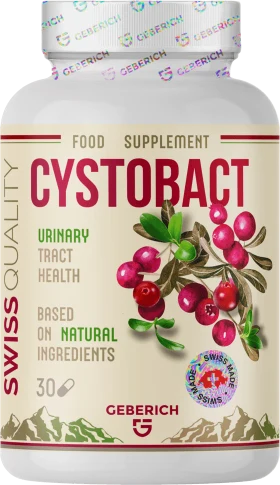
Cystobact · £49
Cystobact: D-mannose, cranberry 4:1, strawberry-tree leaf and a citrus bioflavonoid complex.
Order and delivery: United Kingdom only. The seller ships to UK addresses.
No. The extract is made from seeds and pulp and is far more concentrated, but both contain compounds that medicines can interact with.
People who take regular medicines should ask first, and pregnant or breastfeeding women should check with a professional.
It is used as a component of formulas. Research on its urinary role is still at an early stage.
Check the leaflet that came with the medicine and ask your pharmacist. Some medicines carry a specific warning about grapefruit.
Hesperidin, naringin and friends: what citrus bioflavonoids are and how to read “60%” on a label.
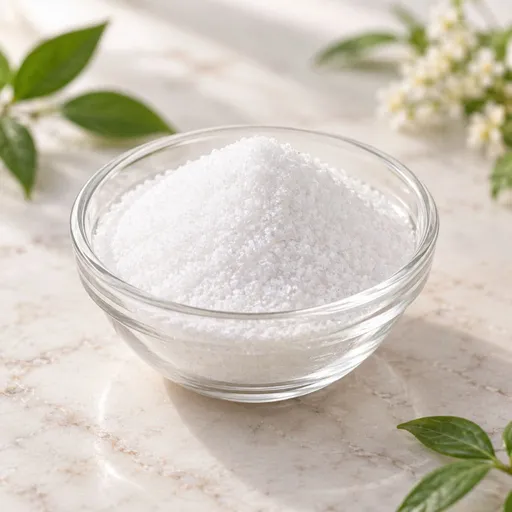
A simple sugar that mostly passes into the urine. What it is, what studies have looked at and how to read the milligrams on a label.
Cystobact combines D-mannose, cranberry, strawberry-tree leaf and citrus bioflavonoids in easy daily capsules.
Order Cystobact£49Independent affiliate information site. We are not the manufacturer or the seller and may earn a commission on orders placed through our links. Your order is processed and shipped by the seller.