D-mannose: what it is and how to read it on a label
A simple sugar that mostly passes into the urine. What it is, what studies have looked at and how to read the milligrams on a label.
Two bottles can both say “D-mannose and cranberry” and contain very different amounts. The label tells you which, if you know where to look. This guide gives an eight-point checklist, a worked example on an imaginary label and the sum that turns “per capsule” into “per day”. It is a method, not a ranking.

Most of the confusion comes from numbers that look similar but measure different things. A ratio describes how the extract was made. A percentage describes what is in it. A milligram figure tells you how much you swallow.
Once you see them as three separate questions, a label becomes much easier to read.
This is a made-up label, not a real product. Serving size: 2 capsules. Servings per day: 2.
| Line on the label | How to read it |
|---|---|
| D-mannose 500 mg per capsule | 500 × 2 capsules × 2 servings = 2,000 mg (2 g) a day. |
| Cranberry extract 4:1, 200 mg per capsule | 800 mg of extract a day, made from roughly 3.2 g of berries. |
| Standardised to 4% PAC (DMAC method) | 4% of 800 mg is about 32 mg of PACs a day. |
| Arbutus leaf extract, 5% arbutin, 100 mg | 5 mg of arbutin per capsule, 20 mg a day. |
It means about four parts of raw plant were used to make one part of extract. It does not tell you how much of the active compound is inside. Two cranberry extracts, both labelled 4:1, can contain different levels of PACs.
For D-mannose, the studies described in the D-mannose guide used about 1.5 to 2 g a day. For cranberry, read the cranberry guide on PACs and species.
Notice what the sums leave out: they do not say how well a given extract is absorbed, and they cannot replace the advice of a professional. They simply make sure you are comparing the same quantities.
Look at the capsule shell (gelatine or plant-based), flavourings, the best-before date and the storage advice. Warnings on pregnancy and on medicines matter most when an ingredient has known interactions, such as grapefruit seed extract.
A label does not tell you whether a supplement suits you. Ask your pharmacist or GP, especially if you take regular medicines, are pregnant, or have diabetes or kidney problems. Fever, back or side pain, blood in the urine or repeated episodes need a proper check-up.
The Cystobact page names its four ingredients with their ratios and standardisation (cranberry 4:1, strawberry-tree leaf 5% arbutin, citrus bioflavonoids 60%) and a pack of 30 capsules. Check the pack for the mg of each ingredient and you can run the same sums yourself. The ingredients page explains each one.
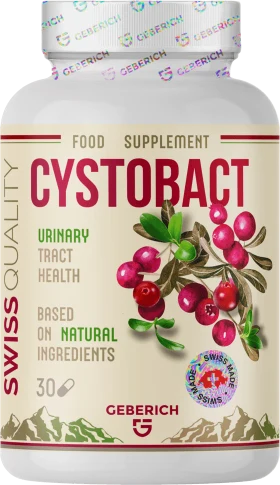
Cystobact · £49
See the full composition of Cystobact and the dose per day.
Order and delivery: United Kingdom only. The seller ships to UK addresses.
Not necessarily. Compare the same kind of number (mg of the same compound, measured the same way) and follow the dose on the pack.
It describes how concentrated the extract is compared with the raw plant. It is not a dose and not a PAC content.
In juices and chewables it can. Capsules and powders usually contain little or none; check the list.
A simple sugar that mostly passes into the urine. What it is, what studies have looked at and how to read the milligrams on a label.
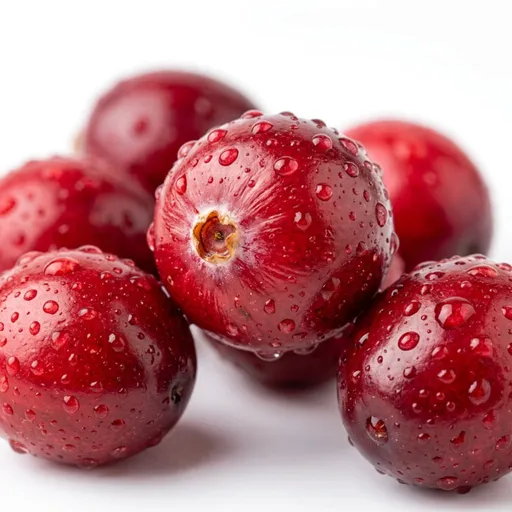
Proanthocyanidins, the 2023 Cochrane review and what “extract 4:1” or “36 mg PAC” means on a label.
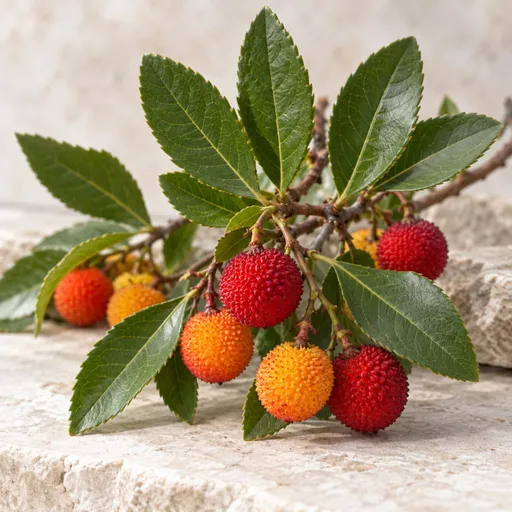
Strawberry tree or bearberry? Where arbutin comes from, what regulators say about the leaf and how to read it on a label.
Cystobact combines D-mannose, cranberry, strawberry-tree leaf and citrus bioflavonoids in easy daily capsules.
Order Cystobact£49Independent affiliate information site. We are not the manufacturer or the seller and may earn a commission on orders placed through our links. Your order is processed and shipped by the seller.